
How to Choose the Right Partner for Your AMI Installation Project
A practical way to compare AMI installation contractors: similar programs you can check, honest meter counts, customer communication and qualifications for your scope.
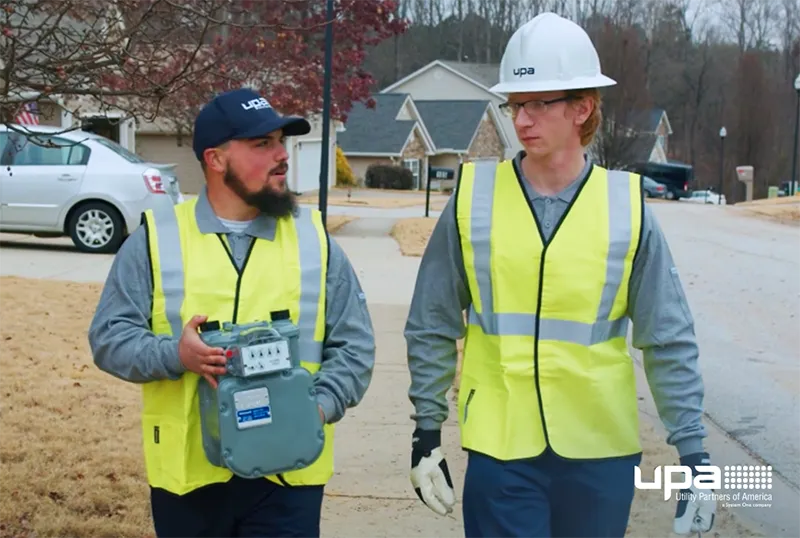
Choosing an AMI installation contractor starts with the field work itself: electric meters, gas modules, water meters, customer access, the deployment window and the records you need for acceptance.
Check comparable installation experience
Ask each bidder for named utility references, dates and quantities for the contractor’s own work. A program-wide milestone can include utility crews and several contractors, so ask whose count a number is. Treat a contract award as an award until the utility reports finished work, and note the meter manufacturer and any prime contractor alongside the installer.
UPA’s track record is set out that way: utility and regulator documents for program totals, and our own counts marked as ours.
Agree staffing, safety and customer responsibilities
Ask for current capacity, relevant training, licenses and insurance for the work. Review dated safety figures with their definitions and the documents behind them. Agree who handles notices, appointments, access problems, customer questions and unfinished work.
Plan for the work after deployment
Choosing an installer also affects maintenance and how field records are handed over. Decide what information you need and which responsibilities continue after the rollout. Read about AMI installation and lifecycle maintenance when you scope those requirements.
The questions below are a starting point for your procurement discussion. Commitments for your program should be backed by documents and written into the agreed scope.
Common questions
What should a utility look for in an AMI installation contractor?
Look for programs of a similar commodity and size that you can check with the utility, a regulator or the manufacturer; documented safety and training records; current crew capacity; progress reporting; and a plan for talking to customers.
How can a utility check an installer’s meter counts?
Ask for the utility, the dates, the meter or module type and the number the contractor installed itself. Then check commission filings, utility notices, manufacturer releases and board records. A program-wide total may include several installers.
What’s the difference between an installer, a manufacturer and a prime contractor?
The manufacturer supplies the metering technology. The field installer exchanges meters and does the assigned field work. The prime holds the overall contract. UPA works directly for utilities and as a subcontractor, and each program page says which.
Can one contractor install electric, gas and water meters?
UPA’s work covers electric meter exchanges, gas module retrofits and water meters. Check training, procedures and references for each commodity in your scope.
How should a utility judge an installer’s safety record?
Ask for three years of EMR, TRIR and DART with hours worked and scope, plus relevant training and driver measures. Ask for the documents behind those figures and any corrective actions, rather than relying on a headline.
What should customers expect during a meter exchange?
Follow the utility’s own program instructions for notices, appointments, photo ID and marked vehicles. If a visit is unexpected, confirm it with the number on your utility bill.
What does a utility need after installation?
Plan for ongoing inspection, endpoint maintenance, performance investigations and record keeping. UPA’s lifecycle service covers that field work within an agreed program scope.
Which meter programs has UPA worked on?
UPA’s track record includes LG&E and KU, National Grid in Massachusetts and New York, SMUD and several municipal water programs. It shows UPA’s own counts separately from utility and regulator totals, and National Grid doesn’t publish UPA’s share of its totals.
First published on the UPA website on June 9, 2025. Older articles describe the company and its work as they were at the time.